Menu Close

Dental Blog

Contact Us Today

Dedicated to Care at A Higher Level

Top 5 Questions about Dentures and Dental Implants: A Raleigh, NC Guide

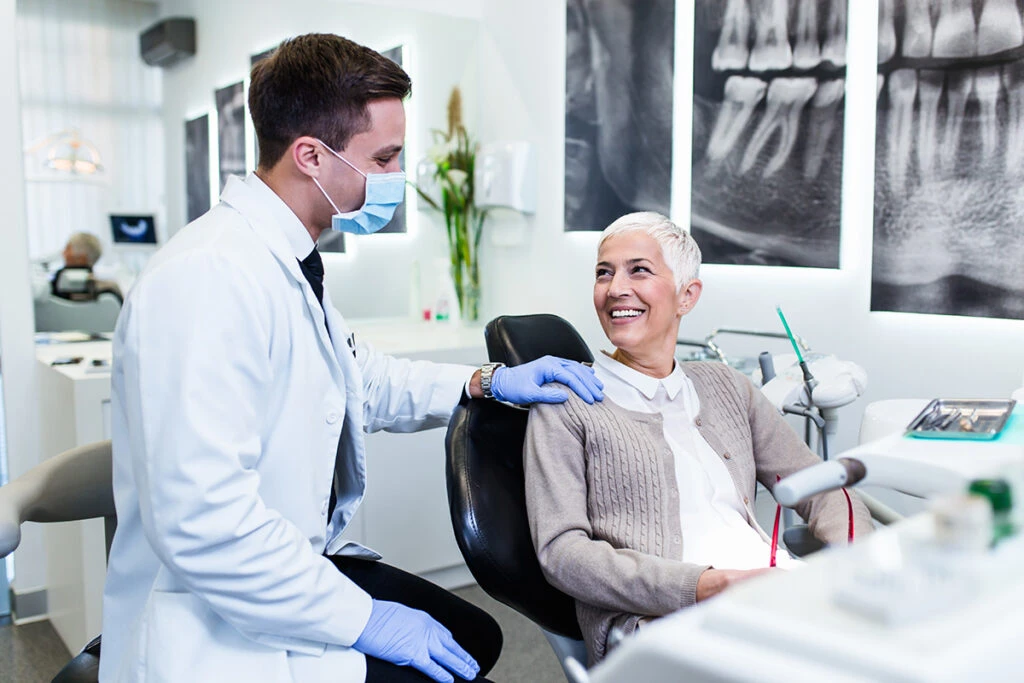
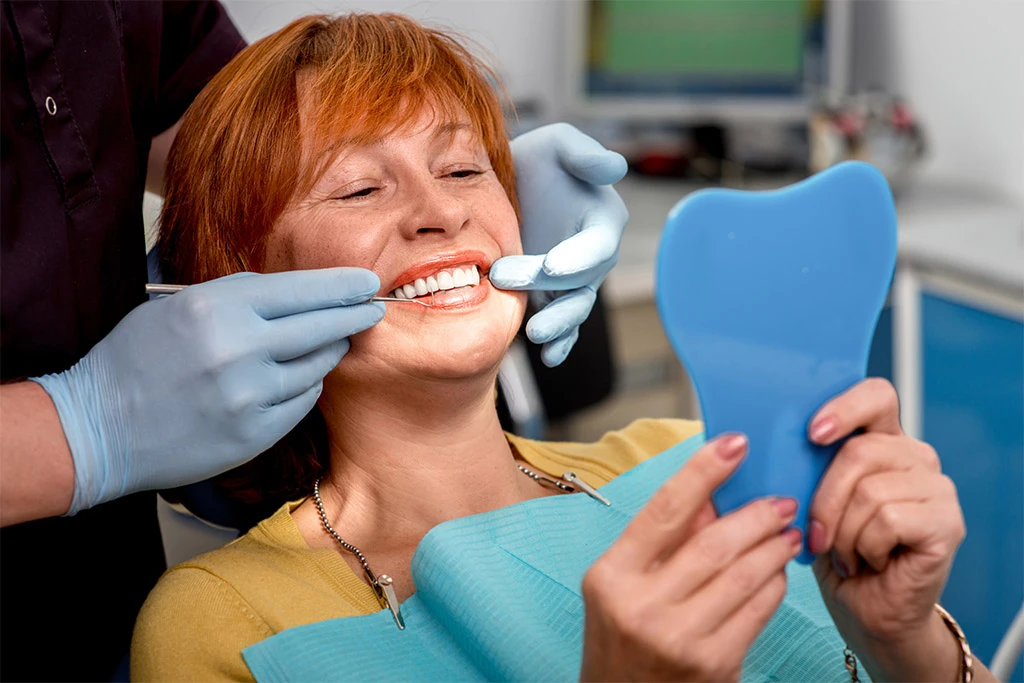
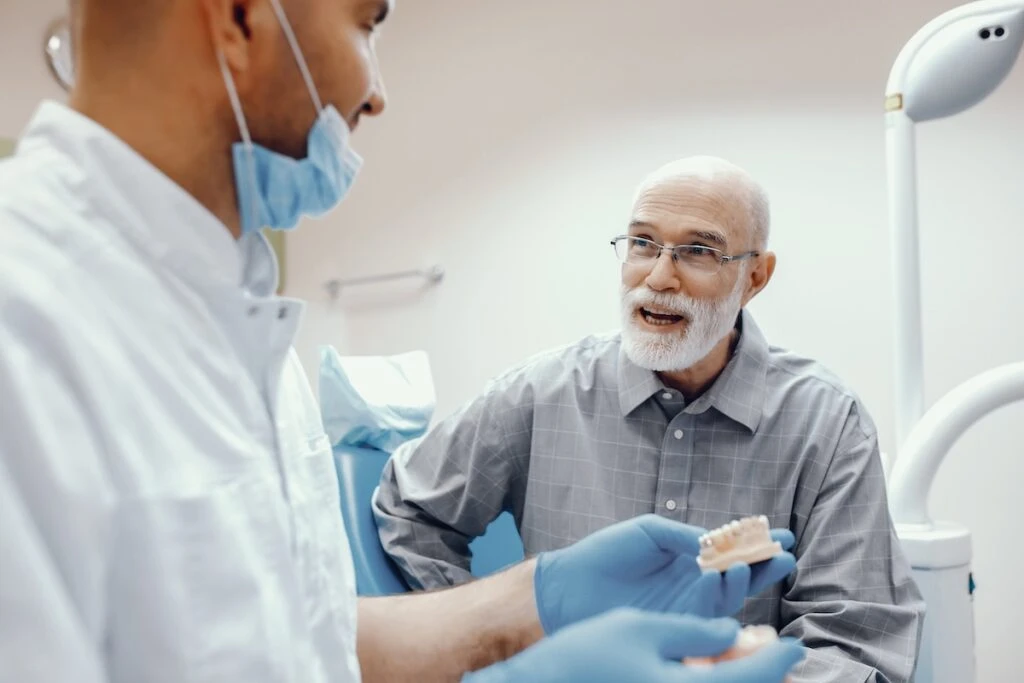
Dentist explaining denture options to patient

If you are comparing tooth replacement options in the Triangle, this guide answers the 5 questions local patients ask most about dental implants and dentures. We cover cost, the 3/2 rule that guides safe spacing, possible downsides, who’s a candidate, and how to choose between options. You will learn how modern implant dentistry restores chewing, speech, and smile confidence, plus practical tips for affordable care.

Introduction to dentures and dental implants

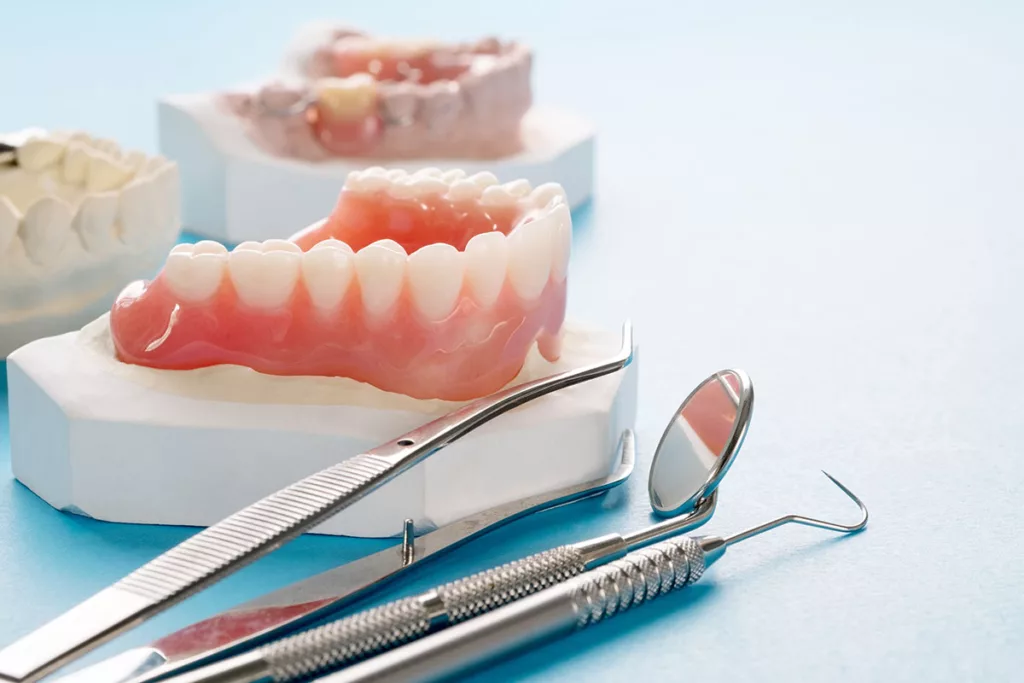
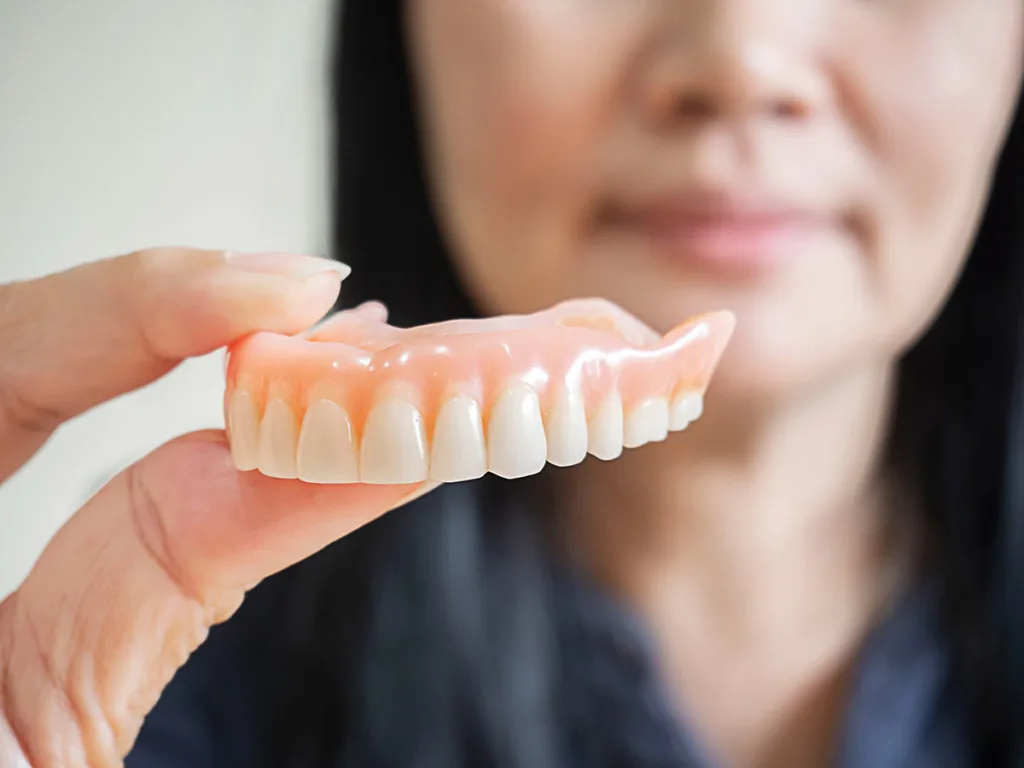
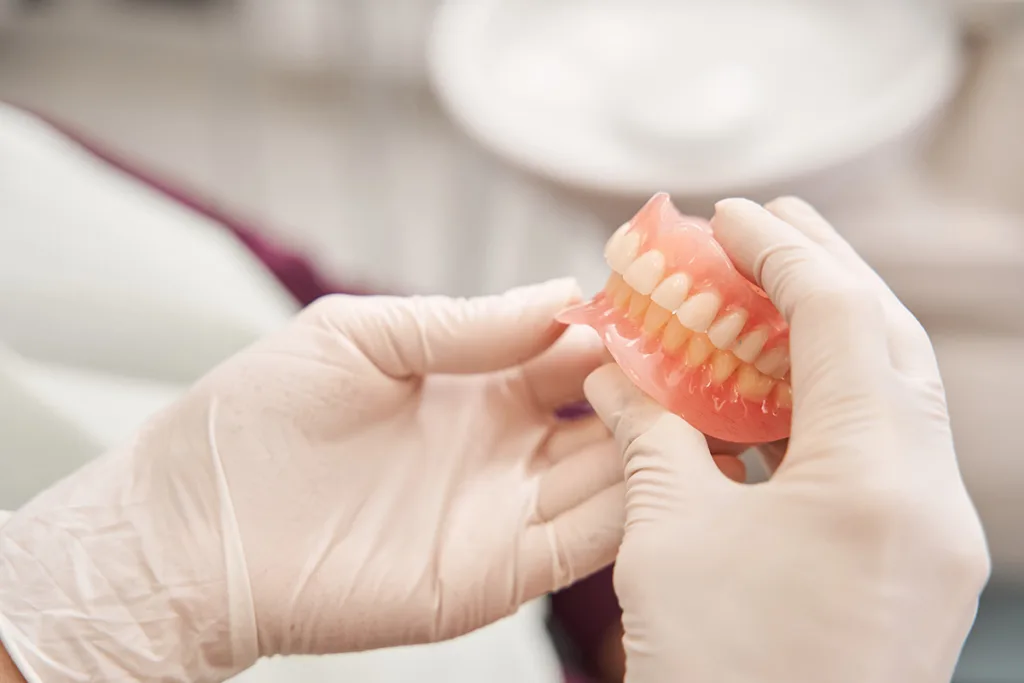
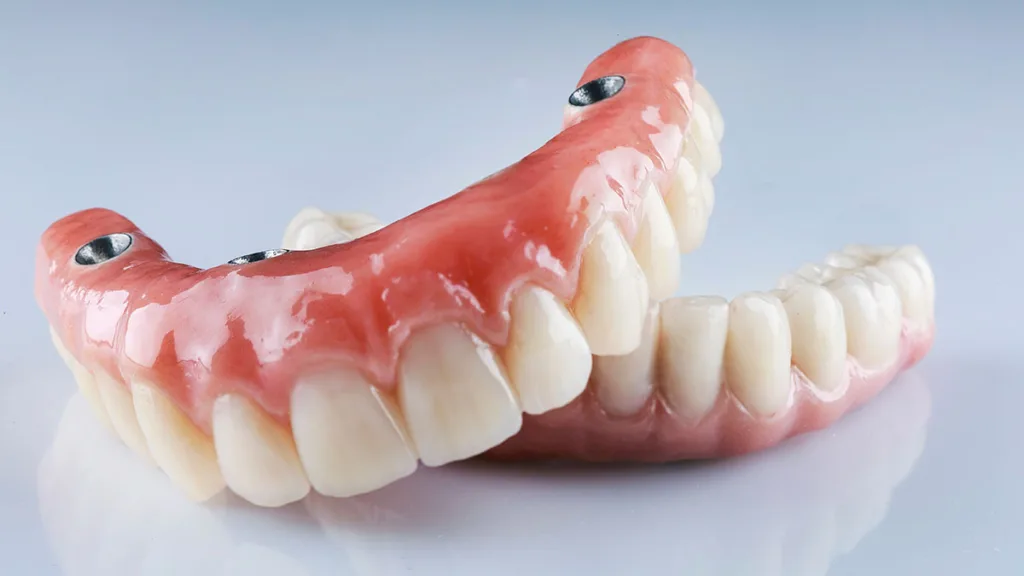
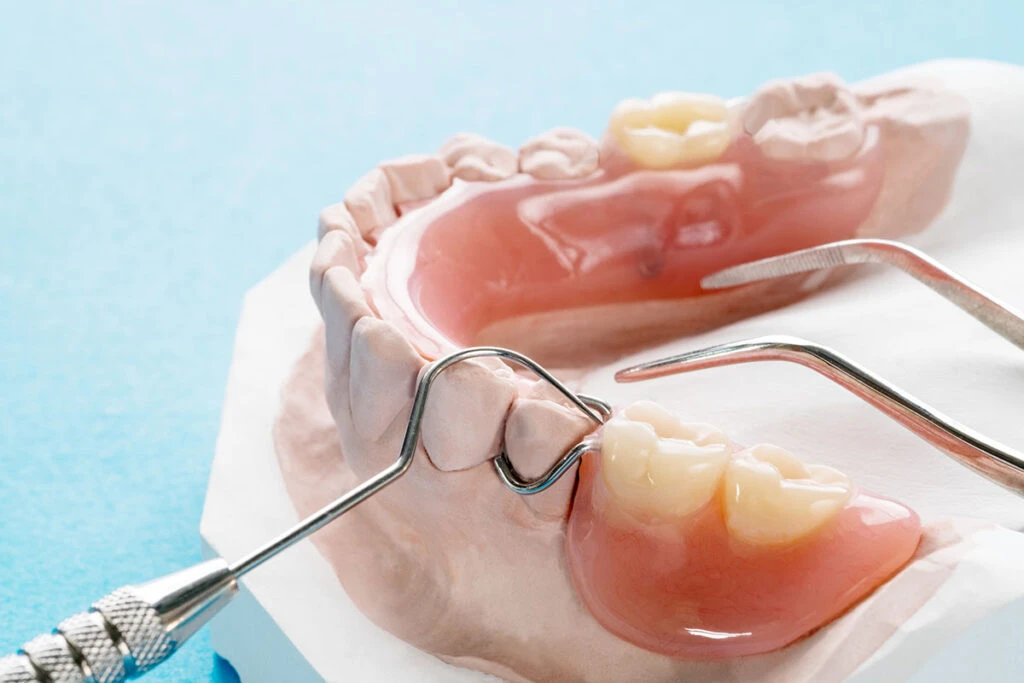
Dentures are removable appliances that replace several teeth or an entire arch. Traditional dentures rest on the gums, while implant-supported options snap or screw onto dental implants for extra stability.

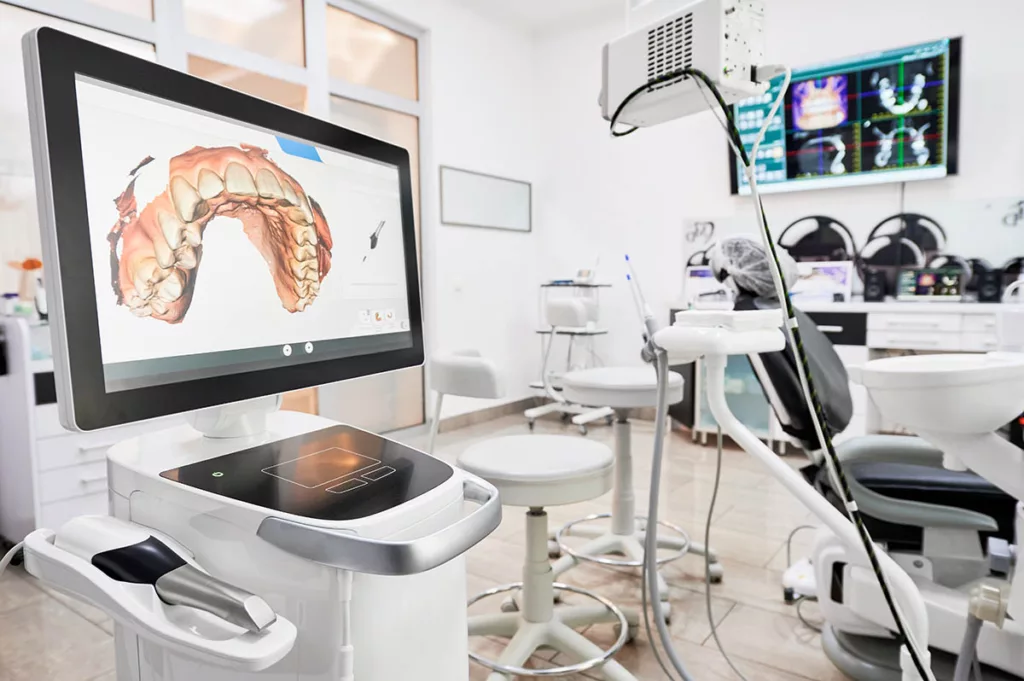
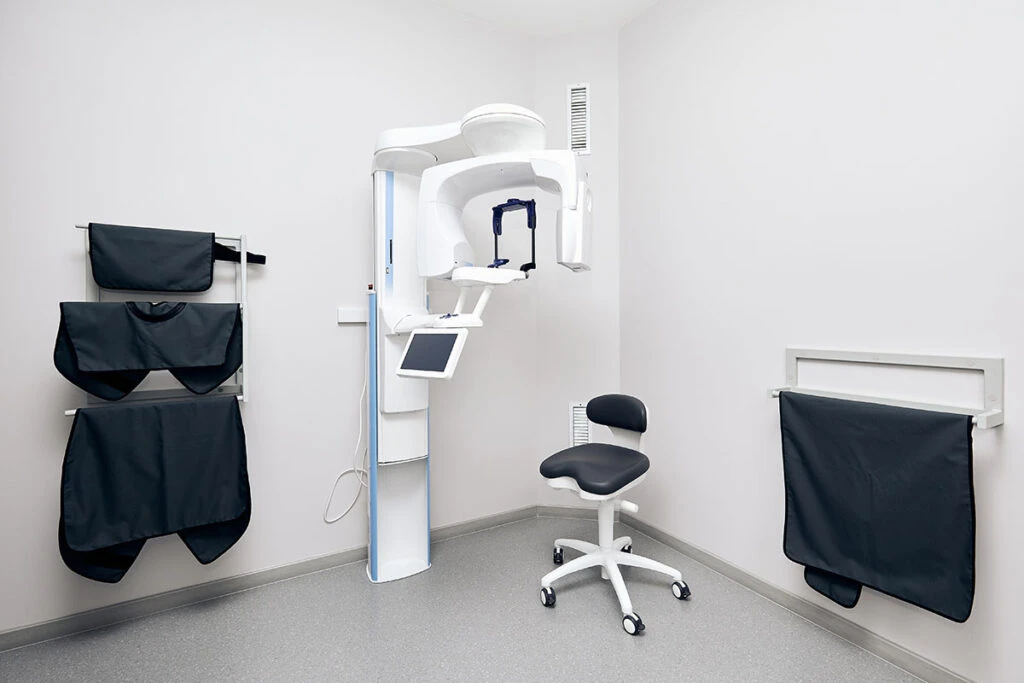
Dental implants are small posts placed in the jaw to act like a new tooth root. After healing, a connector and a custom dental crown, bridge, or denture is attached to create natural-looking replacement teeth. As a field, implant dentistry combines 3D imaging, advanced biomaterials, and precise planning to deliver results that blend with your natural teeth. See the American Dental Association’s overview of how implants replace missing teeth and how the process works in phases.

Both approaches can restore function, appearance, and self-confidence. If implants appeal to you, learn more about our dental implant solutions in Raleigh. We have decades of experience guiding patients to affordable, high-quality dental solutions that skillfully blend function, aesthetics, and comfort for lasting smiles.

Question 1: Can I afford to get dental implants?

The cost of dental implants varies because treatment is tailored to your mouth and goals. Factors that influence price include the number of implants, whether bone grafting is needed, the type of restoration, and the technology used for planning and implant placement.

Key cost components include:

  • Professional fees for exam, imaging, and treatment planning
  • Surgical procedure costs for implant surgery and related oral surgery
  • Follow-up care for healing checks and adjustments
  • Additional procedures, such as bone grafting or sinus lift if needed
  • The final restoration (single implant with a dental crown, implant bridge for several teeth, or an entire arch solution)

With dental work, it is important to weigh cost against long-term value. Implants help protect remaining teeth, reduce bone loss in the jaw, and can last for many years with proper care. For many, the improved chewing, speech, and oral health are worth the investment in dental implant treatment.

What about dental insurance?

Some dental insurance plans contribute to parts of care, for example tooth extraction or the crown, while many policies limit coverage for the implant itself. Ask your practice about financing that can make affordable dental implants possible with predictable monthly payments. At NewStart, we provide transparent estimates following your assessment so you can compare options, and we work with you to find a solution that fits your budget.

Question 2: What is the 3/2 rule for dental implants?

The 3/2 rule is a simple guideline dentists use to plan implant placement so that the results look natural and the surrounding gums and bone stay healthy.

  • The “3” part: Dentists aim to leave about 3 millimeters of space between two dental implants. This small gap helps protect the bone and gum tissue that sit between the implants, reducing the risk of bone loss and helping the gum “papilla” (the tiny triangle of gum between teeth) fill in properly. In other words, keeping that 3 mm space helps the final crowns look like natural teeth rather than artificial replacements that are too close together.
  • The “2” part: The “2” stands for about 2 millimeters of bone thickness in front of the implant, known as the facial or buccal bone. Having this layer of bone under the gum helps support the soft tissue and ensures that the implant blends naturally with the smile line. It also helps prevent the gums from receding or showing metal over time.
  • How it works in practice: Imagine you’re missing two side teeth. When planning your implants, your dentist will position them so there’s about 3 mm between them and make sure there’s at least 2 mm of bone in front for support. Sometimes that means doing a small bone graft or adjusting placement slightly. Following the 3/2 rule helps create a balanced, healthy-looking result that mimics the way natural teeth emerge from the gums.

Question 3: What are the downsides or risks of dental implants?

Dental implants have a high success rate; however, any surgical procedure carries risk. Potential downsides include:

  • Infection at the implant site
  • Nerve injury, sinus issues in the upper jaw, or injury to nearby structures
  • Implant failure if the bone does not bond to the implant, called poor osseointegration
  • Peri-implant diseases; for example, peri-implant mucositis and peri-implantitis, which can cause bone loss around the implant
  • Complications related to uncontrolled medical conditions, heavy smoking, or poor oral hygiene

Mayo Clinic outlines these risks and the typical care pathway for dental implant surgery at Mayo Clinic overview of dental implant surgery. The American Academy of Periodontology explains peri-implant diseases and how early care helps protect the implant and gum tissue at AAP: peri-implant diseases. The FDA also lists benefits and risks, plus aftercare tips, at FDA: dental implants.

Careful planning, experienced oral surgeons, and strong home care reduce these risks. Your dental team screens for gum disease before treatment, plans safe implant placement, and reviews habits like smoking that raise the chance of implant failure. At NewStart, we use advanced technology and the highest quality materials to offer low-risk, long-lasting solutions.

Question 4: Am I a good candidate for dental implant surgery?

You may be a strong candidate if you have:

  • Healthy gums and no active gum disease
  • Enough bone to support the implant, or willingness to consider bone grafting
  • Good overall health and a commitment to proper oral hygiene

Some factors need extra evaluation, such as smoking, uncontrolled diabetes, a history of head and neck radiation, or severe bone loss. In some cases, sinus lifts or staged bone grafting create the support needed for implant placement. Many patients are candidates for a single implant to replace a single missing tooth, while others may need multiple implants for several teeth or an entire arch solution.

Your next step is an initial dental implant consultation to discuss your goals, budget, and timeline.

Question 5: How do I decide between dental implants and dentures?

Dental implants and dentures differ in stability, maintenance, and longevity.

Dental implants

  • Pros: fixed stability, protect bone growth by stimulating the jaw like a tooth root, do not rely on neighboring teeth, strong chewing function, natural aesthetics
  • Cons: require oral surgery and healing time, higher upfront cost, not everyone is a candidate without grafting

Traditional dentures

  • Pros: non-surgical, lower initial cost, replace several teeth or an entire arch at once
  • Cons: can move while chewing or speaking, may need relines due to bone loss, may reduce taste and temperature sensation, partial dentures can stress remaining teeth

Hybrid options

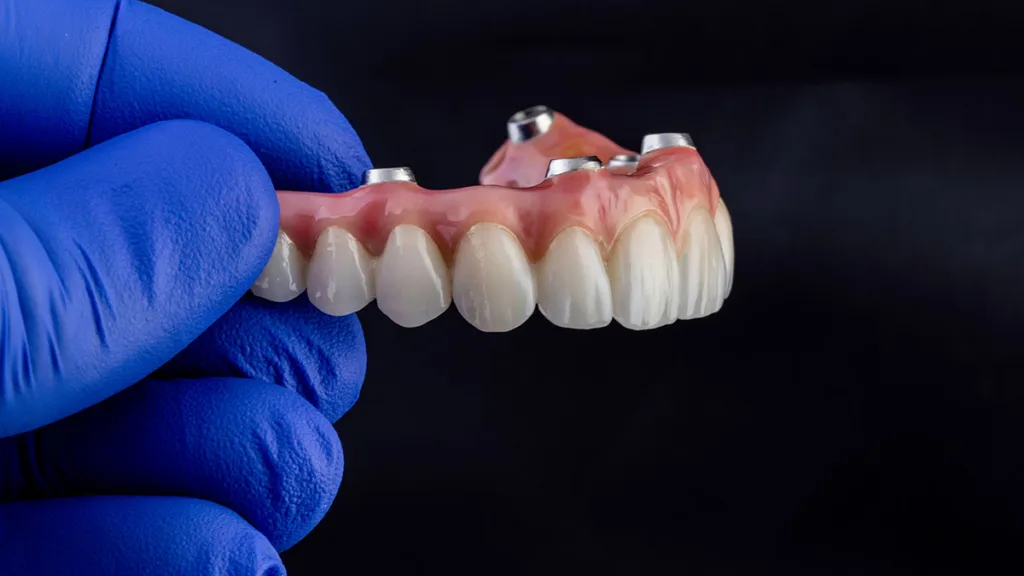
  • Implant-retained dentures use a few implants for extra stability, which many denture wearers appreciate.
  • A short span can be restored with an implant bridge. In other cases, dental bridges supported by natural teeth are considered, yet they may require shaping of remaining teeth.

Your dental team will help you match goals to treatment. Patients with several missing teeth who want a stable, long-lasting result often prefer dental implants. Those who want a non-surgical option may choose traditional dentures first, then consider implant-supported upgrades later.

Additional considerations for dental implant procedures

Some things to know about dental implants:

  • Day-to-day care: Proper oral hygiene is essential for long-term success. You should brush twice daily, clean around the dental implant post with floss or an interdental brush, and keep regular professional cleanings.
  • Post-operative care: You’ll need to follow instructions after implant surgery and any surgical procedure, including bone grafting or sinus lifts. Report unusual symptoms at the implant site promptly.
  • Team approach: Complex cases may involve oral surgeons and restorative dentists working with a coordinated dental office. This collaboration supports precise planning and smooth healing.
  • Restorative options: Depending on your goals, your restoration might be one implant with a dental crown, an implant bridge replacing several teeth, or a stabilized full denture.
  • Planning and expectations: If you had a lost tooth years ago, bone volume may have changed. Your provider will review options to rebuild support and protect dental health before replacing missing teeth.

We’ll discuss these aspects of treatment and answer questions at your initial dental implant consultation.

Your path to a confident smile in Raleigh, NC

Every smile is unique, and so is your plan for replacing missing teeth. Dental implants can deliver natural-looking replacement teeth with strong function, while dentures provide a non-surgical approach that can be upgraded later. The right choice depends on your goals, timeline, and budget.

Take your next step by exploring implant planning and denture solutions in Raleigh. Our dental team will help you weigh cost, comfort, and long-term oral health, then build a clear plan. With combined experience of more than 70 years, Dr. Gray and Dr. Scurria are experts in helping patients find natural-looking dentures and implant solutions that fit their goals, priorities, and budget.