Menu Close

Dental Blog

Contact Us Today

Dedicated to Care at A Higher Level

Snap-In Dentures in Raleigh, NC: How to Find the Right Provider

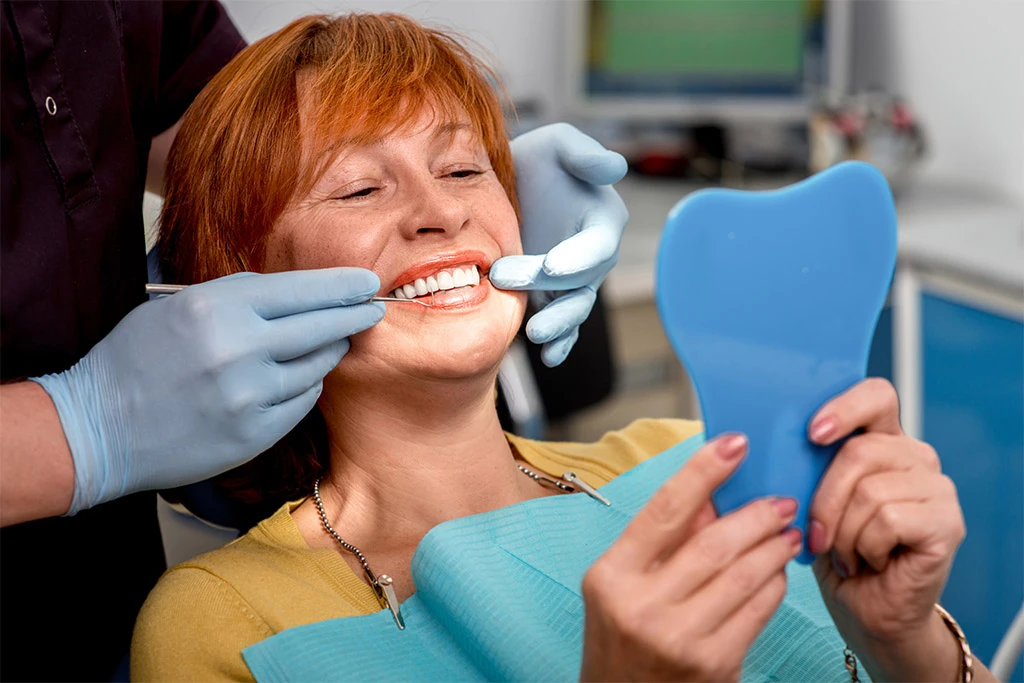
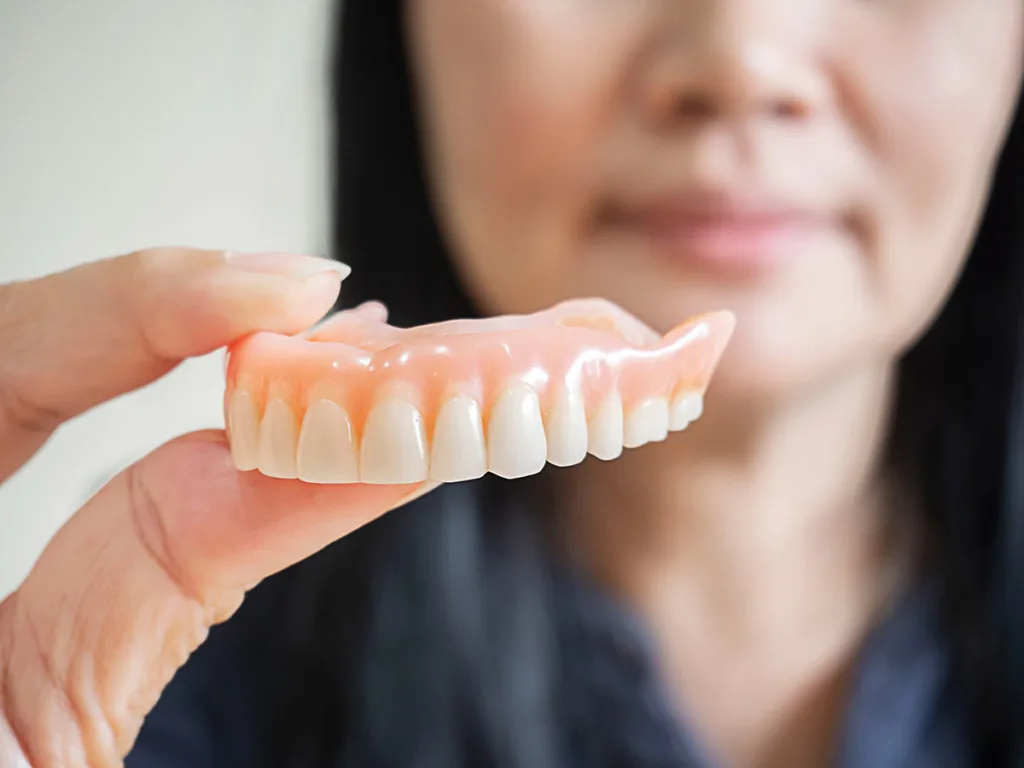
Woman smiling with new dentures

Are you ready to upgrade from loose plates to a secure, modern solution? This guide explains what snap-in dentures are, how the snap-in denture procedure works from evaluation to final fitting, and why many patients choose this path for a stable, comfortable fit. You will also see how NewStart Denture + Implant Partners supports patients in Raleigh, NC with implant-supported dentures, clear expectations, and compassionate care. With more than three decades of expertise each, Dr. Gray and Dr. Scurria at NewStart specialize in guiding patients toward high quality, lasting denture and dental implant solutions.

What are snap-in dentures?

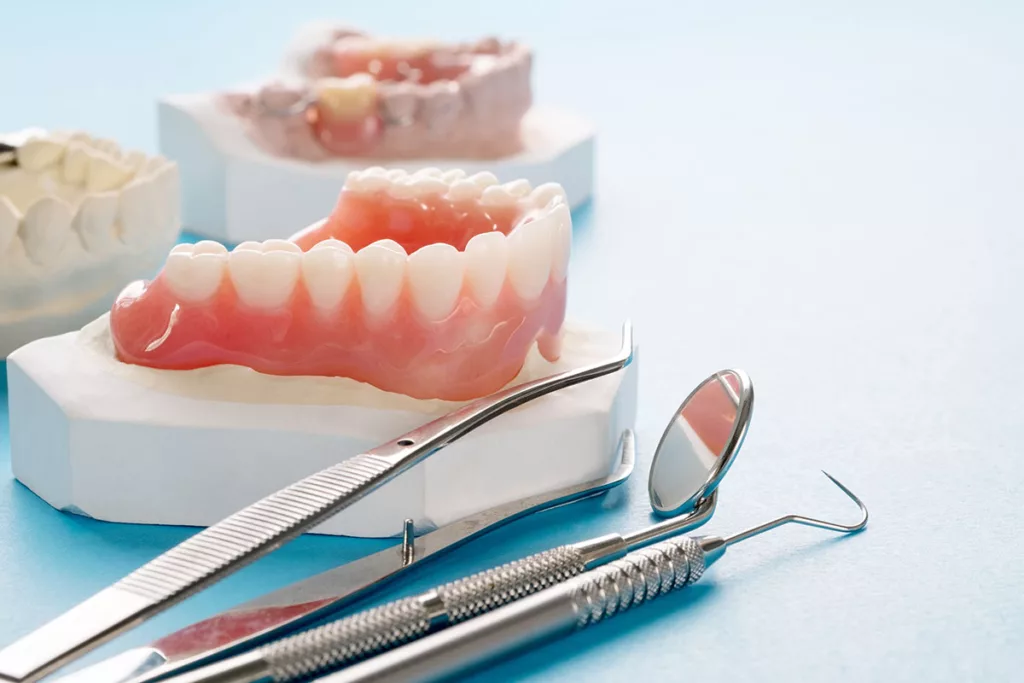
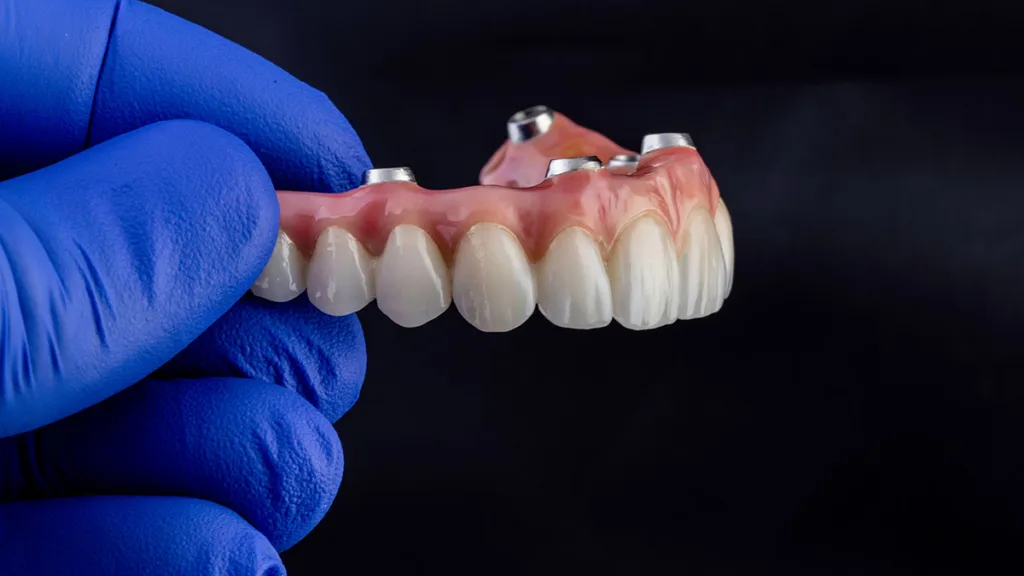
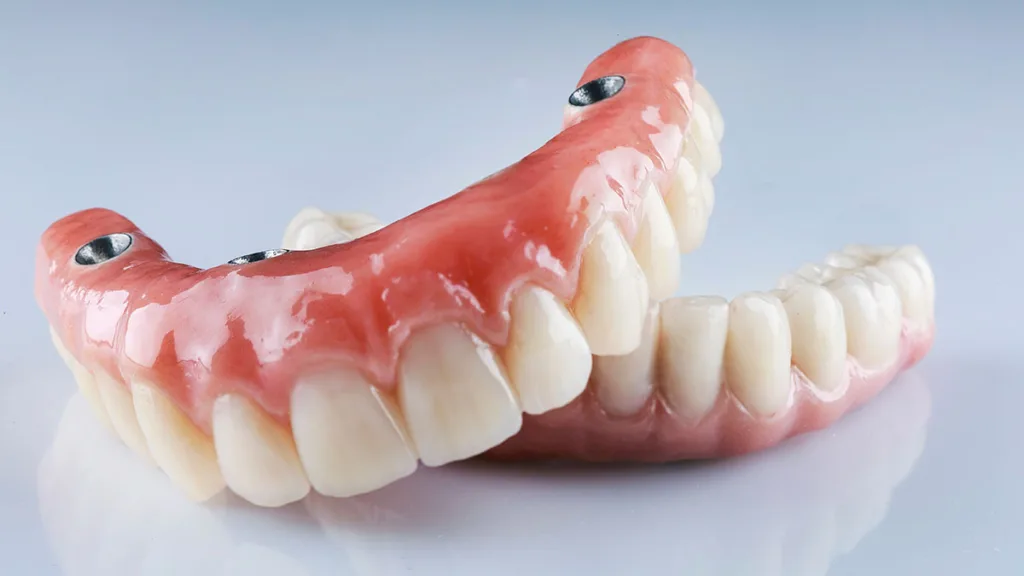
Snap-in dentures are an innovative solution for replacing missing teeth using dental implants as a stable foundation. Instead of relying only on suction or adhesive, a dentist places several implants into the jawbone. After healing, the denture has special attachments that click onto the implants, so the teeth feel secure and natural during eating and speaking. This design helps restore a strong bite and clear speech, and it supports overall oral health.

Snap-in vs. traditional dentures:

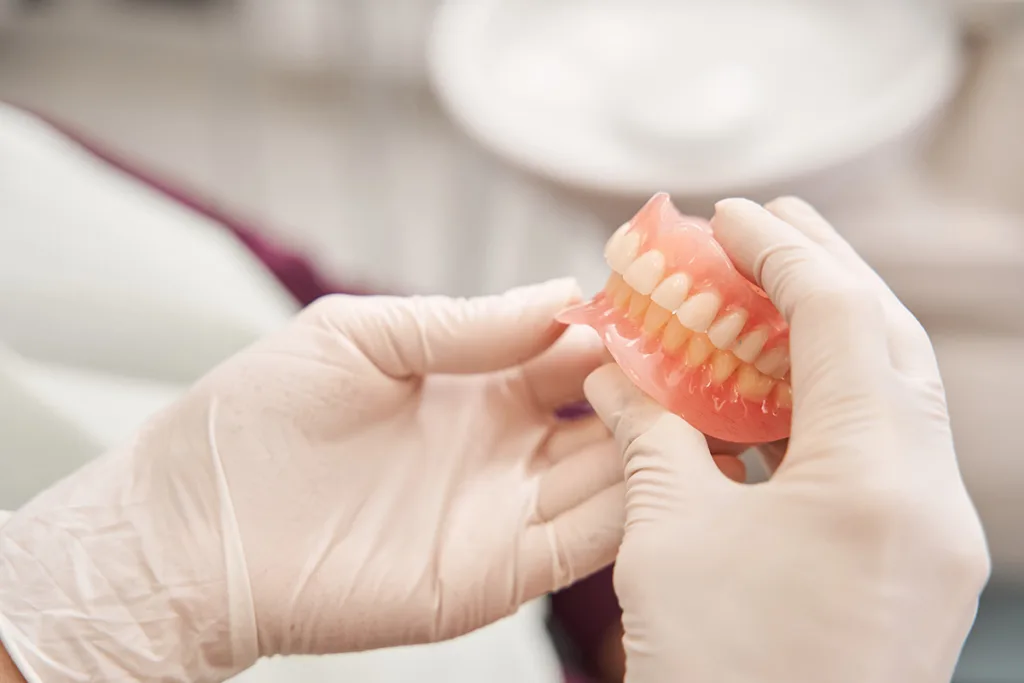
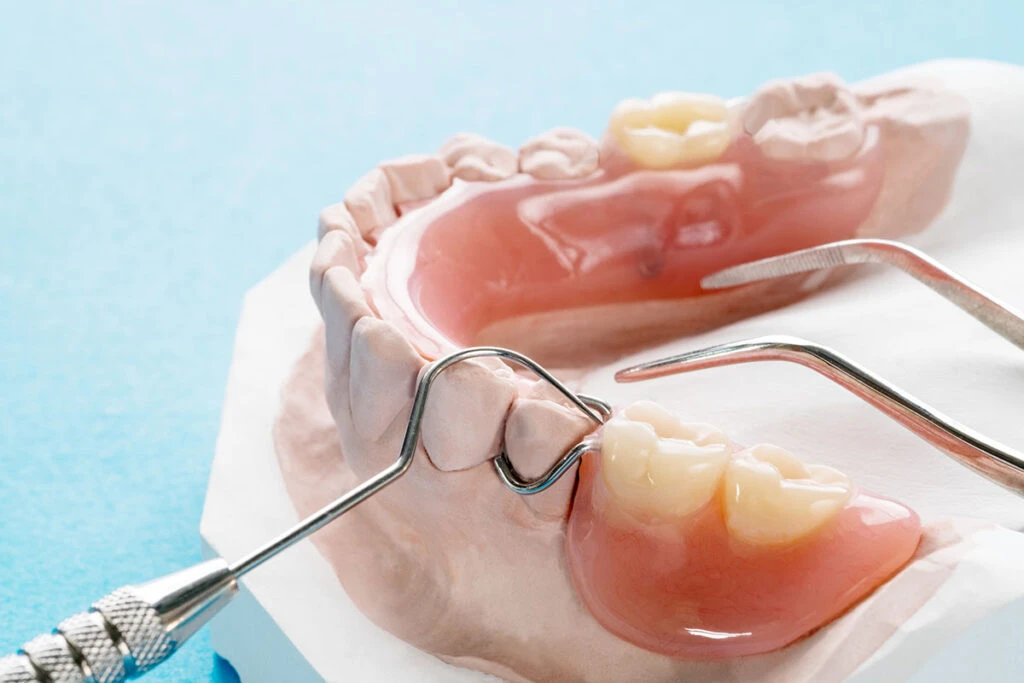
  • Traditional dentures are removable dentures that rest on the gums. They may shift, especially in the lower jaw, and can rub sore spots during wear.
  • Snap-in dentures are implant-supported dentures. The prosthetic is still removable for cleaning, but it is securely attached to implants for superior stability.

Dental implants function like artificial roots in the jawbone. They can help maintain bone density in areas with missing teeth, which supports face shape and long-term comfort.

The snap-in denture procedure and steps

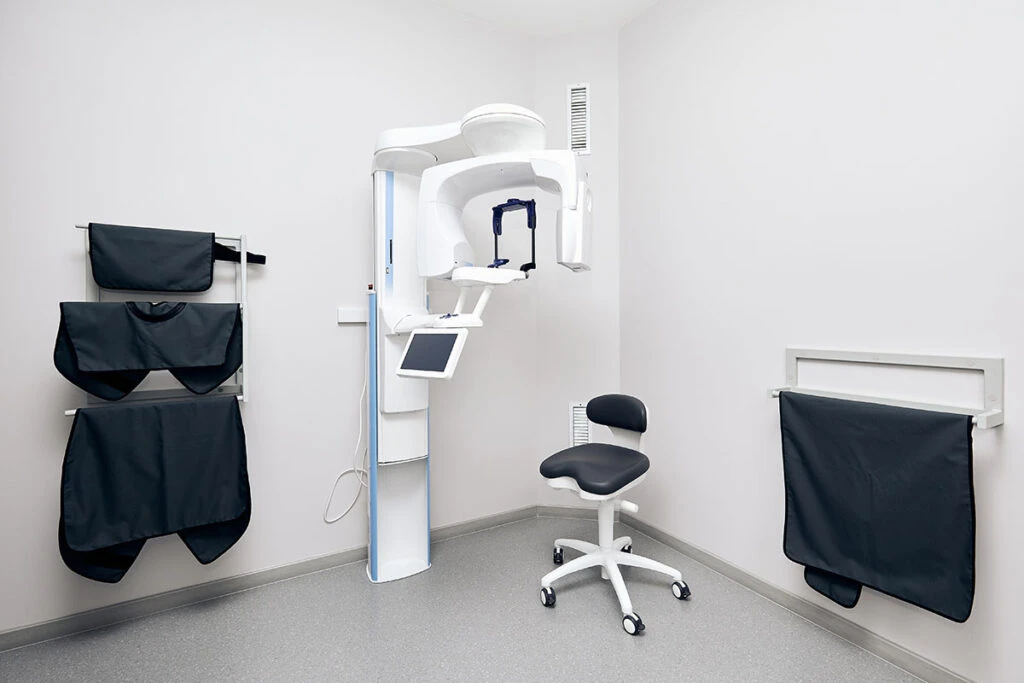
Every patient begins with an initial consultation. During this visit, the dental professional reviews your medical and dental history, checks the health of your gums, and uses imaging to examine the jaw. Your dentist will confirm if implants are appropriate and whether you have enough bone to support them.

Here is the step by step process:

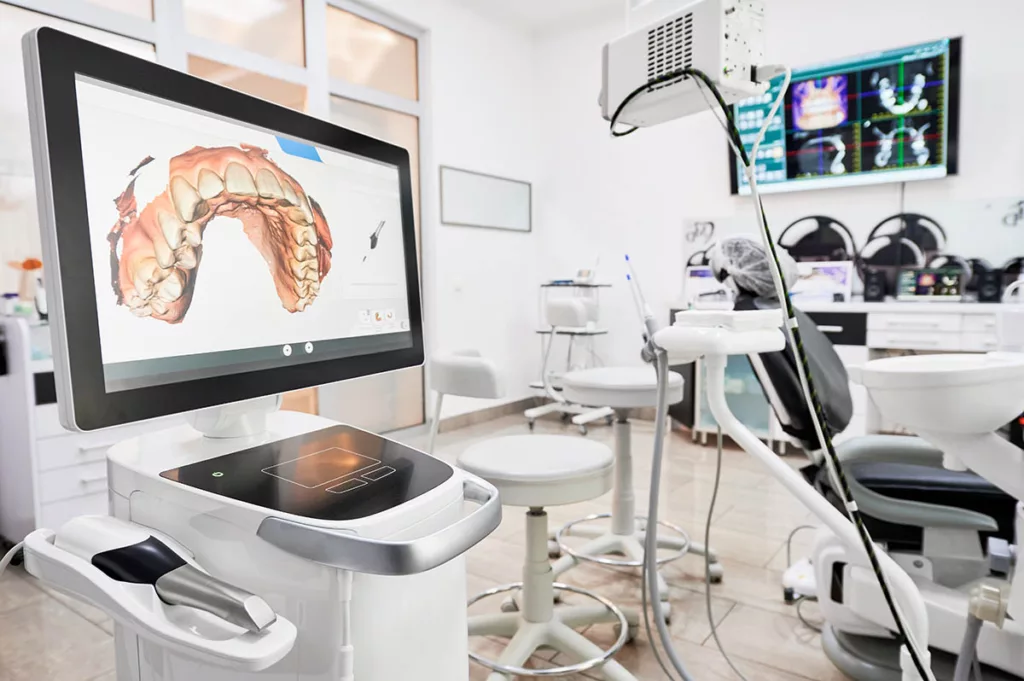
  1. Treatment planning and impressions: Your team takes measurements and scans to plan implant positions. If you are replacing a full arch, the plan will show where each implant can best support bite forces and maintain bone health.
  2. Surgical phase (placing the implants): The dental surgeon places 2 to 6 implants per arch, depending on your case. If the jawbone is thin or soft, your provider may recommend bone grafting. This is done to build a solid foundation for the implants and to support long-term stability. In some cases, a temporary denture is provided so you can wear teeth while healing.
  3. Healing period and osseointegration: After implant placement, bone cells grow and attach to the implant surface. This biologic process requires time, and the specific healing period varies by patient health, the number of implants, and whether grafting was needed. Your dentist will guide a soft diet to protect the surgical sites. For a patient friendly explanation of staging and healing, see the Mayo Clinic guide to implant surgery and healing.
  4. Connection and fitting: When the jawbone is stable around the implants, small connectors are attached. The snap-in denture has matching housings that click onto the connectors. In this design, the implants serve as anchors that hold the denture down during chewing. Your custom-made prosthetic is adjusted for a comfortable fit and an even bite.
  5. Home care and maintenance: Your team will show you how to care properly for the denture, the implants, and your gums. Daily cleaning and regular checkups help maintain the snap attachments, preserve bone, and protect remaining teeth. Good oral hygiene also lowers the risk of gum inflammation around implants.

Snap-in dentures vs. traditional dentures

Here’s a comparison of implant-supported dentures and traditional dentures to help you decide what fits your goals:

  • Stability and chewing: Removable dentures may loosen during eating, while snap-in dentures are securely attached to implants for superior stability and a stronger bite.
  • Tissue health: Traditional dentures rest on gums and can contribute to sore spots. Snap systems spread force through implants into the jaw, which supports bone and soft tissues. Chewing forces stimulate the jaw, helping to maintain bone density and support face shape. This lowers the risk of facial collapse and prevents bone loss in areas where teeth were lost.
  • Cleaning and care: Both solutions can be removed to clean. Snap designs let you clean the mouth and attachments directly, which can help you maintain healthy gums and reduce plaque buildup.
  • Outcomes: Conventional dentures can work well, although implant-supported options often deliver a more natural feel and more predictable function.

Choosing the right provider in Raleigh, NC

Your results depend on the skill of your dental professional and the quality of follow-up care.

When you evaluate providers, consider:

  • Focus on dental implants and implant-supported dentures: Look for experience and expertise with full arch and partial cases, plus clear explanations of risks and benefits.
  • Evidence of outcomes: Review patient testimonials and before and after photos when available. Ask how they plan to protect the jaw and gums over time.
  • A collaborative approach: Your team should explain all options, including fixed dentures and removable implant dentures, and tailor care to your medical needs.

NewStart Denture + Implant Partners serves the Raleigh, NC community with dedicated denture and implant care. For more on our work, check out our patient gallery and patient reviews. To meet the team and explore treatment pathways, schedule a consultation today.

FAQs About Snap-In Dentures

Costs vary by the number of dental implants, the need for extractions or grafting, the type of connectors, and the materials used in the denture. We will go through estimates and payment options with you after we have thoroughly assessed your situation and your priorities, to make sure you know what costs to expect before we place implants.

Healing time depends on bone quality, medical conditions, and whether bone grafting was required. It generally requires several weeks to a few months before final attachment for the jawbone to integrate with the implants. Your dentist will check stability before moving to the next step.

Some steps can begin in a single visit, and a temporary denture can sometimes be used the same day. However, the full process typically takes multiple visits to allow healing, precise fitting, and careful bite adjustments.

There is a surgical step, which carries routine risks such as temporary soreness or swelling. Attachments can wear and need replacement over time. Daily home care and regular checkups are essential to protect the gums and implants. Patients who smoke or who have uncontrolled conditions linked with gum disease may have a higher risk of complications, so medical and dental teams work together to manage risk.

Many patients switch from traditional dentures to snap systems to improve stability. Your provider will check the jaw and mouth to confirm you have enough bone and healthy tissues.

Transform your smile with snap-in dentures

Snap-in dentures combine a secure fit, superior stability, and a natural feel in an innovative solution that supports the jaw and gums better than many traditional dentures. The snap-in approach helps maintain healthy tissues, reduces rocking, and can deliver a long-lasting solution when you follow proper care and maintenance. With expert planning and attentive follow up in Raleigh, NC, you can protect overall health, restore function, and enjoy a beautiful smile. Schedule a consultation today for a personalized evaluation and plan for a healthy, functional, and confident smile.