



Digital Denture Experts in Raleigh, NC
For patients who’ve struggled with failing teeth, loose dentures, or expensive treatment plans that don’t feel realistic — we offer another path. At NewStart Denture + Implant Partners, we provide modern denture and implant solutions that restore confidence, comfort, and quality of life — without the $60K price tag.
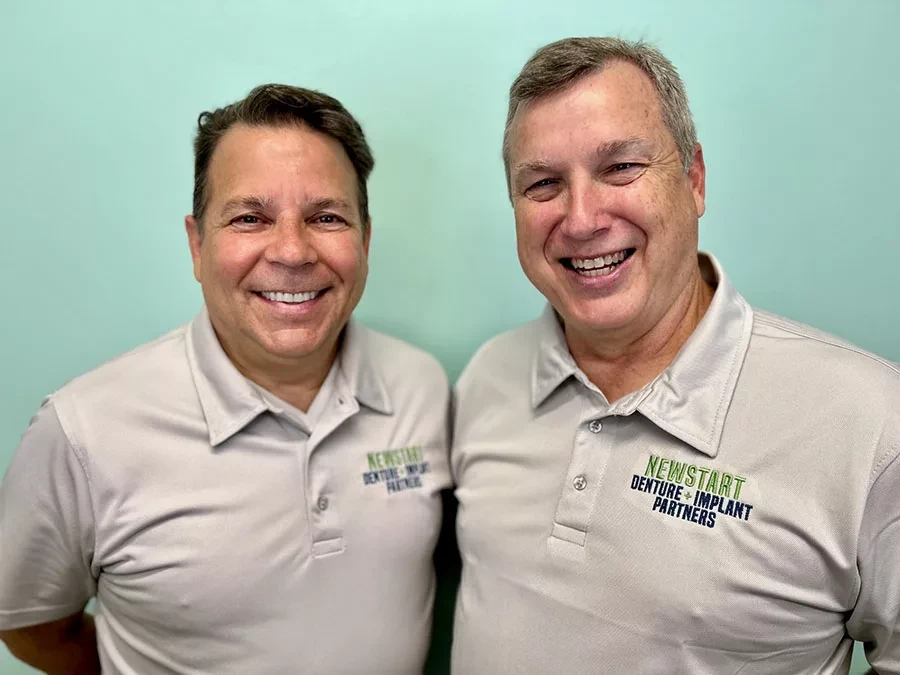
Our doctors each bring over 35 years of experience and use advanced digital denture technology to deliver faster, more comfortable results for people ready to start again.
Why NewStart Denture + Implant Partners
We specialize in what others refer out.
- Compassionate care from a team that truly listens
- 35+ years’ experience from each doctor
- 100% focused on denture and implant solutions
- Digital workflows for best fit possible, improved comfort and faster turnaround
- Permanent digital record for easy replacement if your denture is ever lost or need replacement
- We don’t push expensive full-arch procedures unless they’re right for you
- Drs. Gray and Scurria have treated thousands and thousands of denture patients
If you’ve been told your only option is $50–60K treatment, come see us for a second opinion. Most of our patients invest $5–15K for long-term solutions that fit their goals and budget.
The Future of Dental is Digital
We’ve been providing digital denture care since 2015. With digital scanning, design, and in-house fabrication, we create better-fitting dentures in fewer visits. No guesswork, each denture individually characterized, and no unnecessary delays.
We keep a permanent digital record, so replacing a denture or making adjustments later is faster and easier.
.webp)

1. Accuracy
Digital dentures are more accurate than traditional ones which mean a BETTER FIT and MORE COMFORT.

2. Speed
Digital significantly reduces the time it takes to create dentures. Our practice can often fabricate new dentures in just 2 or 3 visits.

3. Security
The digital process means we can replace lost dentures within 1–2 days, traditional dentures can take weeks to replace.

4. Personalized
Digital dentures can be personalized to a degree that was previously impossible allowing for subtle adjustments in the design and fit.

5. Cleaner
Resulting in dentures with nearly zero porosity MEANING MUCH BETTER STAIN AND ODOR RESISTANCE than conventional dentures.

6. Durability
Dentures produced with modern digital methods offer superior strenght and longevity, providing a longer-lasting solution for patients.

Real Solutions for Real Budgets
Not every patient needs an expensive full-mouth implant treatment plan to restore their smile. We help patients make confident decisions with:
We’re not a corporate implant center. We’re your local, trusted denture partner.

Transparent pricing
Detailed one-on-one consultations
Honest second opinions
No pushy sales tactics
Financing options available
We file insurance claims on your behalf. We also offer financing through CareCredit, Sunbit, Lending Club, and more.
Scheduling for a Loved One
If you're helping a parent, spouse, or friend navigate dental care — we’re here to make the process easier.
- Clear communication every step of the way
- We run on time and get patients seen quickly
- Consistent care from the same doctor
- Follow-up calls come directly from our team
- Warm, respectful environment — no judgment
- We handle insurance paperwork on your behalf
Patients often tell us this is the first time they’ve felt truly heard. Let’s make it the last time they feel alone in the process.

Services We Offer
We focus exclusively on dentures and implant-supported solutions.

Implant Denture Solutions

Implant-retained overdentures (snap-ins)
Full-arch implant bridges (All-on-4 style)
Open-Palate Upper Implant Overdentures (snap-in)

Digital Dentures & Partials
Full digital dentures
Immediate Dentures and Partials
Repairs and relines
3D printed & 3D milled options
Removable partials

Other Services
Tooth extractions
Extraction Socket Grafting
Complex cases welcome

The Dentist’s Choice for Denture Care
We are proud to be a trusted resource for local dental providers who want the best outcomes for their patients.
To refer a patient, please use our secure HIPAA-compliant form. Once submitted, our team will confirm receipt with your office and follow up directly.
Thank you for choosing NewStart Denture + Implant Partners as your partner in denture and implant care.
Refer with Confidence
Your patients trust you — and when you refer them to NewStart Denture + Implant Partners, they’ll experience that same level of trust and care with us.
We’re honored to serve as a reliable partner in complex denture and implant restoration. Our promise: clear communication, compassionate treatment, and clinical excellence.